Invested in teak and got nothing back? You are not the only one — and you do not have to accept this.
Teak as an investment in the Netherlands
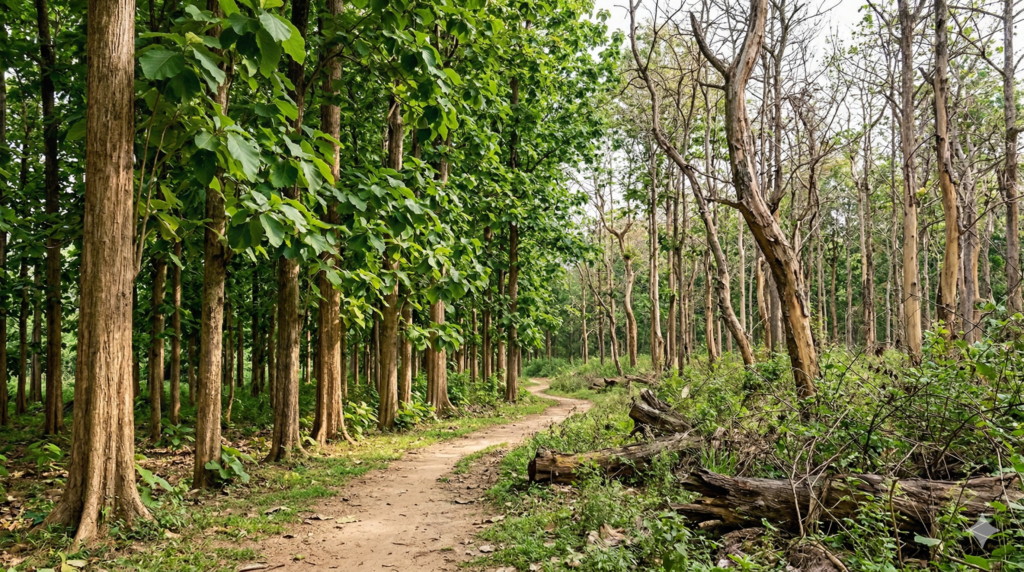
Starting in the 1990s, tens of thousands of Dutch investors were approached to invest in teak plantations, primarily in Brazil. The investment seemed highly attractive: teak is a valuable tropical hardwood used in furniture, shipbuilding, and construction. The growth period is finite (20-25 years), after which the wood is harvested and sold. The returns promised were exceptional — sometimes hundreds of percent over the term.
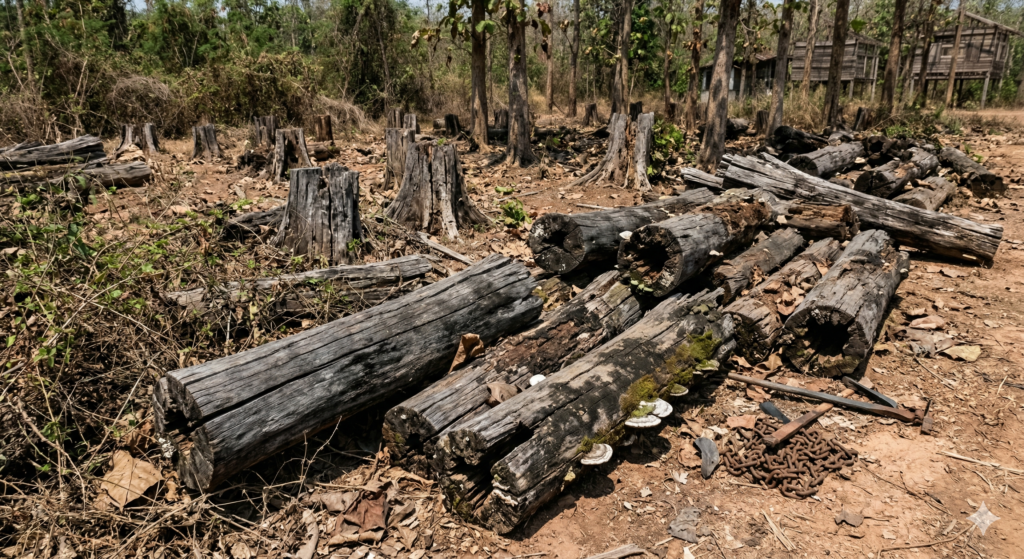
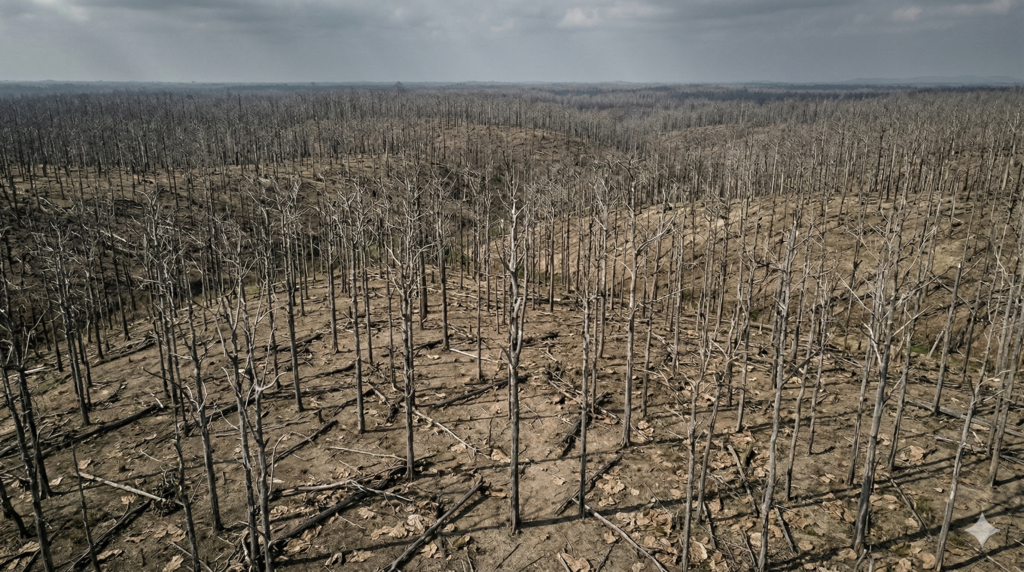
The reality, however, turned out to be fundamentally different. The promised returns were not realized. Harvesting proceeds failed to materialize or were much lower than predicted. And above all: investors had absolutely no visibility into what was actually happening with their money and their trees on a plantation on the other side of the world.
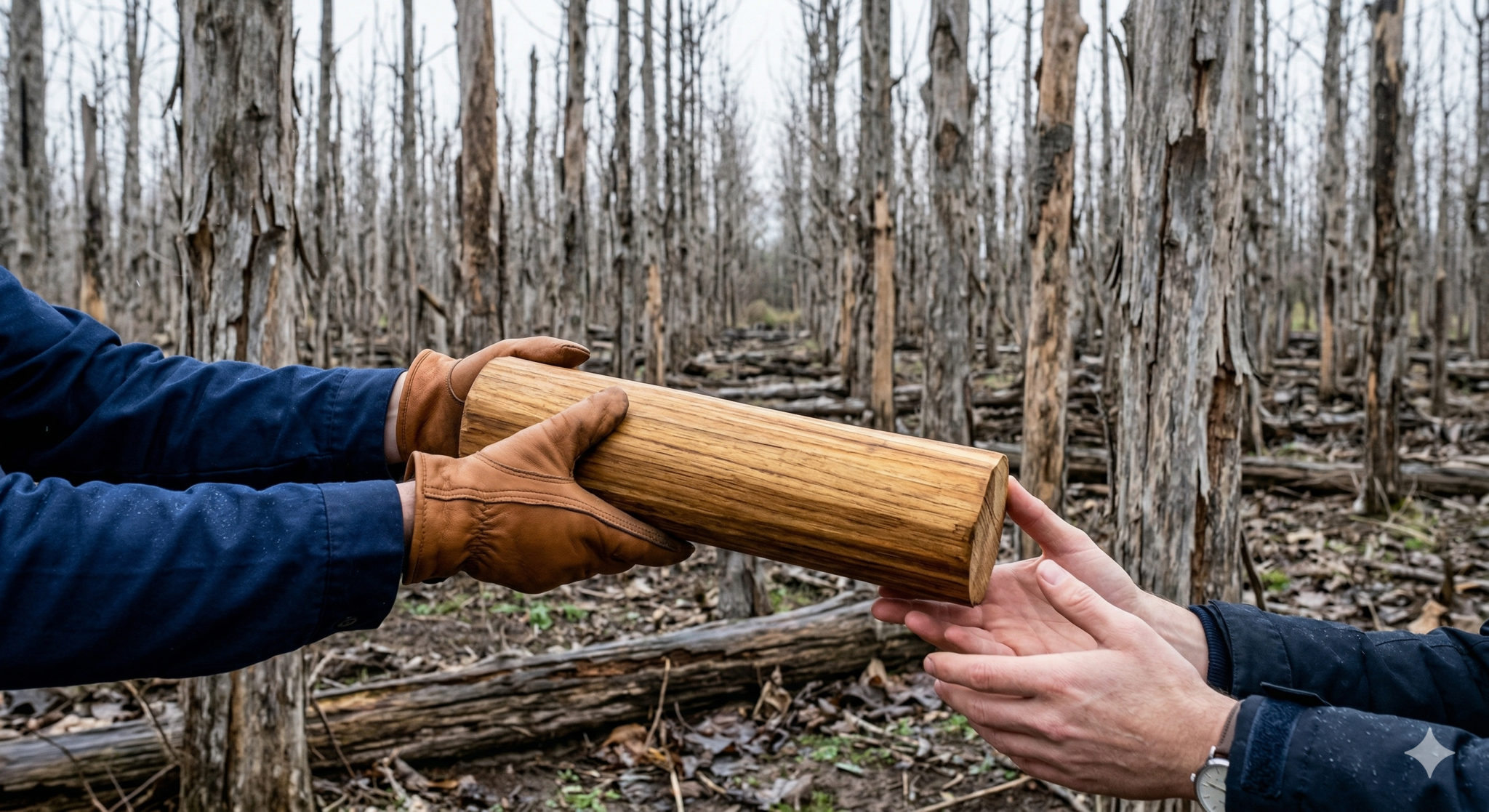
The typical structure
The structure was always similar: a Dutch company handled the sale of teak plots or certificates, often via telephone acquisition. The money was invested in hectares of teak in a plantation abroad. After payment, the money was immediately funneled to the foreign operator. The investor received a certificate or agreement but had no direct control over the plantation, the harvest, the sale, or the proceeds.
The costs for maintenance, harvesting, and transport were deducted from the proceeds — but the investor had no insight into the actual height of these costs. The proceeds were not paid out directly to investors but went through multiple intermediaries and entities, which further reduced transparency.
Why it structurally went wrong
There are multiple reasons why teak investments in the Netherlands have structurally failed. The promised returns were unrealistically high from the start — based on optimistic estimates that did not take actual costs and risks into account. The investor had absolutely no control over what happened on the plantation and was completely dependent on the operator for information.
The Authority for the Financial Markets (AFM) had no jurisdiction over foreign plantation exploitation, meaning there was effectively no supervision. Companies like Goodwood operated for years in a gray area of financial regulation. Furthermore, the financial flows were deliberately structured in a complex manner, involving multiple entities in various countries, which made tracing the funds exceedingly difficult.
The largest teak case
The Goodwood, ATF, and Floresteca case concerns approximately 14,000 Dutch investors who collectively invested more than €300 million in teak plantations in Brazil. It is the largest teak investment of the 21st century. BFRG has been conducting a mass claim for years to recover these damages and has carried out thorough forensic investigations for this purpose.
Foundation BFRG knows this sector
BFRG has years of in-depth experience with teak-related investment cases. We know the structures from the inside out, we know the players and their methods, and we know exactly which legal routes are most effective to recover damages. That knowledge makes the difference between a hopeless attempt and a well-founded claim.
Attention!
This is the last opportunity for the time being to register as a defrauded claimant for the damage claim procedure to recover your damages via this upcoming legal procedure.
Bureau Fraude Recht & Geldzaken B.V. receives the registration forms from our Foundation and will contact you by telephone to discuss all the ins and outs with you. Register now while you still can!